

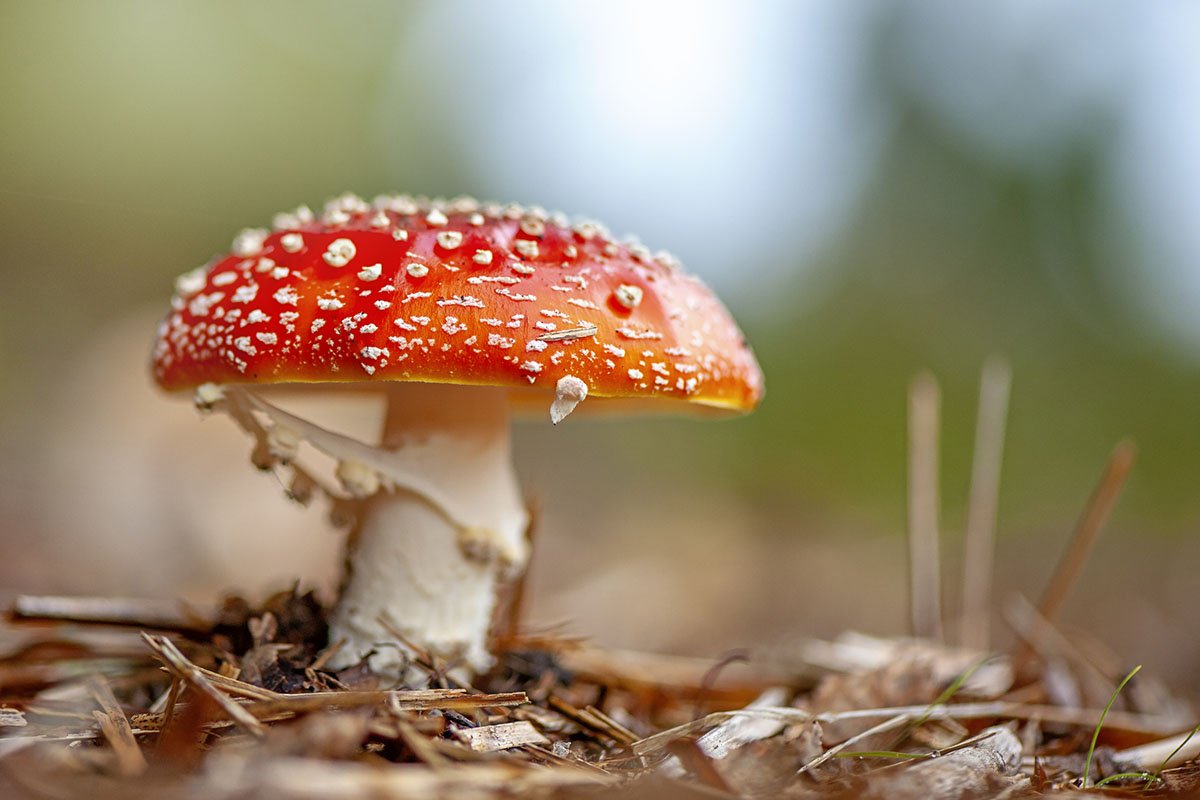
Would you put your life in the hands of artificial intelligence while foraging? Individuals are using apps that recognize plants and animals with the aid of AI to find out which mushrooms they’ve come across. However should they be doing this? Can AI recognize poisonous mushrooms?
 Image by Nomadic Imagery An informational report assembled by Public Resident, a nonprofit customer advocacy organization, in combination with the Rhode Island Mycological Society, the Boston Mycological Society, the New York Mycological Society, expert foragers, and others, took a crack at addressing these questions.
Mushroom foraging is having a moment, and, regrettably, the number of calls to poison control centers appears to reflect this trend. While apps that take advantage of AI to assist users figure out which beetle is crossing the treking course are terrific enjoyable, beginning foragers are likewise using these apps to identify mushrooms.
Sadly, there are a reasonable number of mushrooms that can kill an individual or make them very sick, and mushroom recognition is far from uncomplicated. There are edible mushrooms that have harmful lookalikes, too.
 Picture by WILLIAM WEST/AFP via Getty Images
The general public Person report suggests that AI is not a trusted method for recognizing poisonous mushrooms in the wild. In fact, it states that generative AI technologies like ChatGPT are “producing complicated and harmful false information that might lead to extreme poisonings and death.”
Foragers should not place their trust in an AI-generated identification of an edible mushroom. If your app informs you it’s ok, examine the shroom carefully and compare it to a regional manual, or, better yet, ask an expert before you consume. When in doubt, throw it out.
The bottomline: Can AI recognize toxic mushrooms? Maybe, but do not bet your life on it.
Is AI a great foraging resource? Can AI determine hazardous mushrooms? A new report intends to respond to these questions.