

Low wood structures strung with lanterns, towns lost in time, and mist clinging to majestic cedars mesmerized me. After viewing a travel reveal about Japan’s Nakasendo Trail, I moved this long-distance hiking path to the top of my wanderlust list. With my other half’s current retirement and our youngest off to college, our empty nest status made October the best time to go. Wishing for fall colors and an escape from Florida’s long-lasting heat, we booked the trip.
The Nakasendo Trail connected Japan’s Imperial capital of Kyoto to the political capital of Edo, now modern-day Tokyo. During the Edo duration (1603-1868), there were 69 post towns along the 500-kilometer route, some with luxurious houses for Imperial travelers. We would be following the steps of emperors and princesses who took a trip here over 400 years earlier.
The lure of history, remote hiking, and unique culture made this trip an obvious option. In an age where every travel experience can be seen and vetted before leaving home, not knowing much about what we would experience along the method became part of the intrigue. The remote post towns along the way aren’t sprinkled all over the internet, leaving the excitement of discovery.
We chose to travel light and delivered our luggage (easy and low-cost) from Tokyo to our hotel in Kyoto, where we would stay after the hike. Knowing that I would be carrying everything on my back for four days, I scrutinized every product. Could I trek in the very same trousers every day? Comb my hair with my fingers? I pared down every ounce before we left home, and put all of my hiking equipment into a 5-gallon Ziploc bag inside my luggage. This made it easier to pack my backpack in Tokyo, leaving the sightseeing clothes behind.
Pro Suggestion: Light hiking shoes or path running shoes are OK. Trekking poles aren’t vital, but I want I ‘d brought mine for some areas that were slippery after it rained.
The First Day– Magome to Tsumago
 Image by Leo Mendes After a dry run the day before to ensure we might find the proper platform in Tokyo’s frenetic Shinjuku Station, we hoisted our backpacks and started off. As my spouse read off the instructions from our package of information, I felt like a contestant in The Incredible Race, searching for our next destination. We weren’t racing for a million dollars, but I still felt butterflies in my stomach.
We reached our beginning point in Magome after taking two trains and a bus, feeling proud of our route-finding abilities on this special experience. Our enthusiasm dampened a little when we saw crowds of travelers hanging around the small town. So much for a solo hike through the wilderness, I believed. It ends up, Magome, in the scenic Kiso Valley, is popular for day trippers. Thankfully, the groups of ladies in high-heeled shoes and the busloads of giggly teenagers in school uniforms would not be joining us on the hike.
Spectacular Surroundings
After snapping a selfie, we launched the high stone path out of the town. Suppliers offering mochi treats, ice cream, and souvenirs lined the roadway. Fire destroyed much of Magome’s wood buildings in 1895, and it was rebuilt in traditional design. We passed the Honjin, which was kind of like an expensive hotel for high-ranking tourists and continued to the top of the hill. Stopping to take in views of Mt. Ena and the surrounding hillside was an excellent reason to catch my breath.
With handy turn-by-turn directions supplied by trip operator Oku Japan and well-marked indications along the path, there was no fear of getting lost. Oku Japan specializes in presenting tourists to the “real Japan” far from crowds. We chose the self-guided option, which included our train tickets, hotels along the path (with supper and breakfast), and treking guidelines.
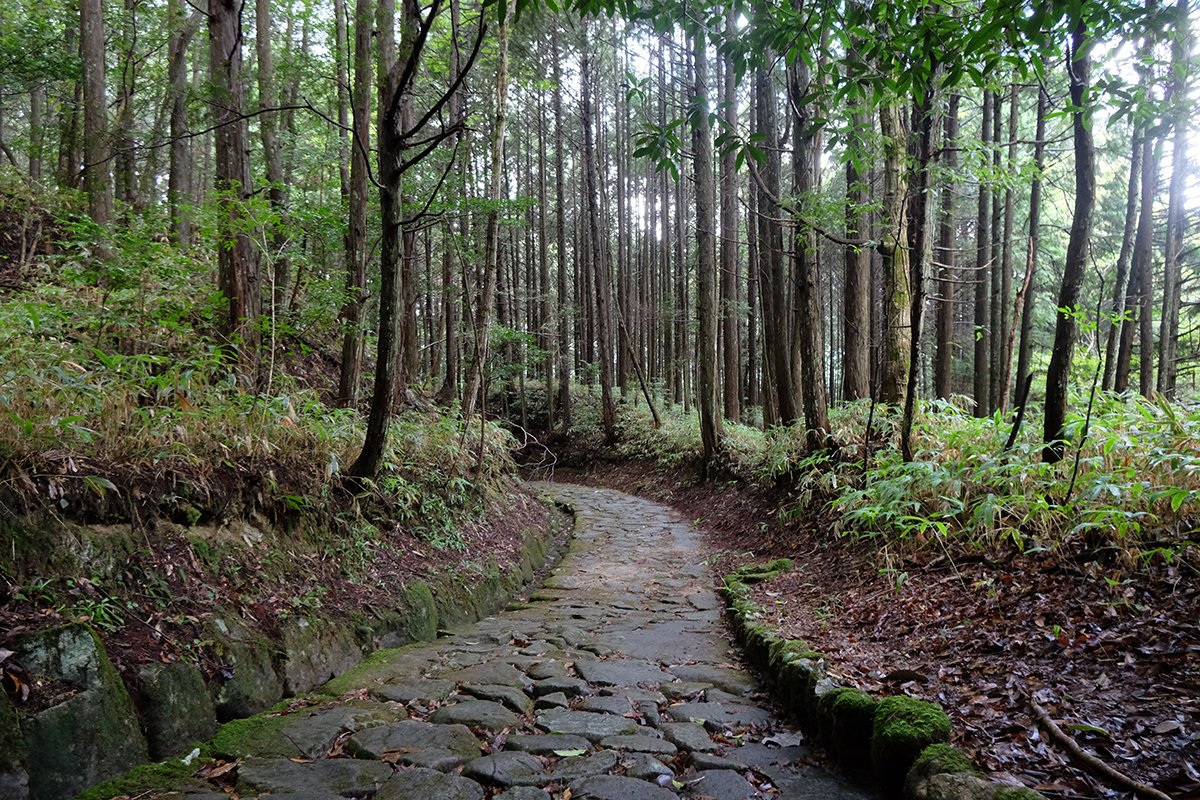
We had the entire afternoon to cover roughly 5 miles to Tsumago, our very first stop. The going was sluggish– and not since of the occasional steep stairs. It was the surroundings that held us back, as we stopped to take photos and admire our surroundings. The Nakasendo, which implies “middle mountain path,” took us through cedar forests and bamboo groves, past small farms and waterfalls. We called the bell at the edge of the forest to caution resident bears of our arrival and stopped for tea brewed over a fire. Purple wildflowers, wild strawberries, and various shrines decorated the trail.
Showing up in Tsumago
As we neared Tsumago, the path descended into the village. I purchased a small glass paperweight painted with cherry blossoms to honor this leg of the journey. At another shop, I chose a mochi-covered dried persimmon. The saleswoman carefully covered this sweet treat in sophisticated paper, a gracious token of welcome to our first stop.
We followed the ideas to our lodging, a 200-year-old conventional design inn called a ryokan. Stepping inside, we removed our shoes and place on slippers supplied by our host, who bowed and smiled repeatedly to welcome us. After a fast trip of the dining and bathing locations of the six-room inn, we got to our room with tatami-mat floorings and moving paper-paned doors. A kettle of hot water and green tea greeted us, and our host indicated he would make up our futons in the separately separated sleeping area during supper.
Our space featured 2 sets of blue and white yukatas(Japanese gowns) that we might use during our stay. I brought my own down the hall and delighted in the high-end of a hot bath in the communal tub. I had actually read about correct bathing method, so I knew to soap and rinse before moving into the tub for a soak. Slipper rules, however, took a little getting used to; wear home slippers around the inn, but not on the tatami mat. Different slippers are provided for the toilet and must only be worn because location. My husband had to carefully advise me when I came back from the facilities and practically entered our room with the toilet shoes.
Treated Like Royalty
Dinner was an elaborate multi-course affair. I lost count after a lots dishes, from black carp sashimi to small, tempting vegetable meals and soba noodles. Do not worry if you’re not an intrepid eater, lots of dishes are simply a mouthful, and it’s fair play to trade with your taking a trip partner if you’re not keen on something. Our host was so thoughtful, bowing and backing away as he served us. I tried my finest to honor his hospitality by cleaning my plate.
After supper, we strolled the streets of Tsumago dressed in our yukatas and hiking shoes, carrying paper lanterns offered by the inn. Worn traditional Japanese clothes and strolling through this town of wood, Edo-period buildings, I seemed like I had stepped into a fairy tale. It was surreal and wonderful. Back in our space, I wandered off to sleep to the sound of the water fountain in the koi pond listed below, believing I might get utilized to traveling like an emperor.
Day 2 -Tsumago to Noriji
 Image by Dmitriy Galanov After a fast, early breakfast of salmon, a fried egg, and pickled veggies, we hit the road. We pledged to be more disciplined with our rate, because we needed to catch a 3 o’clock train for the final leg to our hotel. We had 11 miles to cover, the longest walking of the journey. My resolve deteriorated early when I stopped to take photos of a water mill and a self-serve persimmon stand. We got the speed through the bamboo forest, slowing enough time to snap an image and ring the requisite bear bell.
After about an hour, we pertained to the town of Nagiso, where we stopped at a grocery store to purchase some buttery rolls, ham, and Kit-Kats for lunch. We got a little reversed leaving the shop, and I was thrilled to put my language research studies to practice, requesting help in Japanese. While most of the people we encountered didn’t speak much (if any) English, they were unfailingly valuable and gracious. An elderly girl walked us to the edge of town, pointing the way to the Nakasendo Path.
As we climbed away from the town, we had sweeping views of the Kiso Valley and the tiny hamlets that lay nestled in golden fields. Verdant mountains rose in the background. The majority of the day we strolled in solitude, a gurgling creek and the periodic ohayo or konnichiwa from farmers in the fields breaking the silence. In the quiet, I assessed nature and my good luck to be in this place. Our fast pace implied we came to the train station in Noriji with time to spare. I ended up a couple of treats I had in my knapsack and gratefully accepted a walnut cookie from a Japanese hiker who waited with us.
The 40-minute train ride toKiso-Fukushima was simply long enough to admire the fall colors on the hillside and rest up for the final leg of the day: a brief 15-minute walk to the hotel. Passing a public foot bath on the way to the hotel, I guaranteed my feet they would soon be soaking in the hotel’s onsen. Our home for the night was The Onyado Tsutaya, a shop conventional inn with an indoor and outside bathing location.
Taking pleasure in the Onsen
We stepped into the lobby and were warmly welcomed by a smiling, bowing receptionist who made me feel so simple and welcome. I left my muddy treking shoes at the door and accepted a yukata and slippers before being shown to our space. Traditional in design, with tatami mat floorings and futons, this space had the included luxury of an en suite shower and toilet. The slippers for the lavatory were helpfully embroidered with the word “toilet.” They should have heard I was coming.
We had a couple of hours before supper to delight in the onsen. After 36,000 steps of walking, a hot soak was bliss. I dressed for dinner in my yukata, fumbling with the belt that tied in the back. Our table was set like a royal banquet. Manju leaf covered morsels, lotus root, hot egg custard with shrimp, grilled chicken with homemade miso, shabu shabu with Japanese beef and Ponzu sauce were simply a few of the highlights. I’m still dreaming about dessert: a tiny square of persimmon cake with a slice of pear and dash of cream cheese. I waddled back to the space in my slippers, and drifted off on my futon like a spoiled emperor.
Pro Pointer: Some hikers spend a stopover day in Kiso-Fukushima, exploring the town’s bakery, artisan coffee house, and small shops. Gongentaki waterfall is an optional day trek from here.
Day 3– Yabuhara to Narai
 Image by Rogerio Toledo My knees complained as I had a hard time to get up from the futon. I heard the rain outside and wanted to stay in bed, however I knew there was coffee in the lobby. I took a hot shower, did a few yoga stretches and wrapped myself in a robe before heading downstairs. Coffee in hand, I spent a few minutes inspecting messages on my phone. Spotty web connection on this journey was in fact a welcome reprieve from being linked 24/7.
I wasn’t sure I could face another meal after the sophisticated dinner, but morsels of shredded burdock, mushrooms, egg omelet, and smoked fish beckoned from dainty red meals. I’m persuaded Japanese consume with their eyes; every dish appeared like it stepped out of a painting. A lot of offerings were simply a mouthful or two, making it less frightening to attempt new things. What looked like a caterpillar was really a fried manju leaf stuffed with sweet walnuts. Keep an open mind and do not judge up until you take one “no thank you” bite.
Buying Picnic Products
After breakfast, we walked to the grocery store to buy supplies, hoping the rain would stop. Lunch was more rolls and ham, a bag of potato chips, and Yell energy beverage, which I hadn’t seen since living in China. We took a look at from the hotel, and I donned my pack, which was getting much heavier. I was eating my way through the trail mix and Clif bars I had brought from home, however changing it with mementos. I just needed to have the jar of Japanese face cream I attempted in the onsen; maybe smooth skin will offset using the very same clothing for 4 days on the trail.
The day started with a warm-up uphill walk to the train station and then a quick ride to Yabuhara, where the trail started. The rain stopped, leaving a wonderful mist on the hillside. Our book of directions alerted that this section would be “among the hardest parts of the Nakasendo.” The hike was only 4 miles, however required climbing 1,200 feet of elevation over 2 miles to reach Torii-touge Pass. The stone path made slippery by the rain suggested taking slow, careful actions, pausing to catch my breath and ring the bear bells. This stretch of the Nakasendo had more bear warning signs than the previous day, leaving me on high alert.
The pass is named “Torii” after a well-known regional samurai warrior who wished success in battle here throughout the 15th century. His prayers were responded to, and he constructed a “Torii” gate and a Shinto shrine to celebrate his triumph. The views over the Kiso Valley and surrounding mountains were mystical in the morning fog. After a brief rest to consume some Scream and grab a handful of path mix, it was onward to Narai.
A Heart-Pounding Surprise in the Forest
I spotted a brown furry swelling resting on the left side of the path. Before I might notify my spouse, the stack of fluff stood up and turned his pink fleshy face towards me. The animal scuttled up a tree, routed by a youngster. We slowed our speed, and suddenly five or six more Japanese macaques came bounding down the hillside, crashing into the bushes in front of us. I went from delighted to concerned as increasingly more monkeys cascaded onto the trail like a waterfall. Reports of monkey maulings flashed through my mind. What do we do? Do they understand I still have a ham sandwich in my pack? Who’s more afraid– me or the monkeys? If they were aggressive, we ‘d lose the fight for sure. 2 dozen monkeys obstructed our path. I picked up a few rocks, preparing myself for an attack.
The circulation of monkeys slowed to a drip, and we felt safe sufficient to continue. My heart was racing with adrenaline as we hiked downhill into Narai. Once the most flourishing post town along the Nakasendo, Narai was called “Narai of a Thousand Inns.” It was a resting spot for tourists who came down from the Torii-touge pass. Unspoiled historical buildings line the primary street, with many stores, coffee shops, and small inns. Because we were prematurely to explore our hotel, we browsed for souvenirs. At Atelier Miyuki, I got a hand painted Nakasendo Tee shirts after chatting with the artist. As the rain began, we ducked into a coffee shop to sip green tea.
Remaining in Narai
The innkeepers for the night were a couple who lived on the ground flooring of a three-story house. Given that there were no other visitors, we had the whole place to ourselves. Our host heated water for the bath, which was made from three various sort of Japanese cypress. It smelled like a forest. I soaked in the steamy tub, breathing in deeply and replaying the day in my mind.
Supper later followed the pattern of previous nights: sashimi, lots of little plates of vegetables, steamed fish, shabu shabu beef, pickles, and soba noodles. Servings were little, with each bite being of the highest quality. Dessert was 3 Muscat grapes, and I enjoyed each one.
At the start of the trip, I fidgeted about the rustic accommodations, not knowing what to anticipate.
Compared to our cramped Tokyo hotel, the conventional inns along the Nakasendo were large and comfy, with separate sitting and sleeping locations. Tea and cookies were set out, a welcome treat after a day on the trail. The warm welcome we received each night made us seem like honored guests.
Day 4– Narai to Kiso Hirasawa

Image by Japan Guide We didn’t have far to go on this final day, so we walked around town after breakfast to get a few more steps. My knapsack was lighter, because the cool early morning air suggested I was wearing all of the layers I brought with me. Our very first stop in Kyoto was going to have to be a laundromat.
At checkout, our person hosting shyly consented to present for an image with me. Even without much English, she exuded hospitality. She handed me some small candies for the journey and waved goodbye.
We followed the river out of Narai and after about an hour, we concerned Kiso-Hirasawa. Famous for its lacquerware, the town’s artists produced lustrous bowls, boxes, and vases. We roamed the streets for a bit and after that awaited our train in a warm park. In just a few days, I had actually gotten used to the serene, easy life on the path. I braced myself psychologically for the assault of sights and sounds that Kyoto made sure to bring.
Four days ago, a bullet train from Tokyo introduced us back in time. We saw a side of Japan that many travelers do not see, far from the high-rise buildings and crowds. The Nakasendo Path was paved with surprises. Flush toilets with heated seats waited on us in remote bamboo forests. Elegant, gourmet meals were served in modest inns with no web and shared toilets.
In this magical kingdom, I found out that hospitality doesn’t stem from fancy lodgings, monkeys aren’t afraid of bear bells, which I need to always leave the toilet slippers where they belong. I can’t wait to return.
Treking the Nakasendo Path in Japan is like taking a walk through time. Here’s whatever you need to understand about it.