

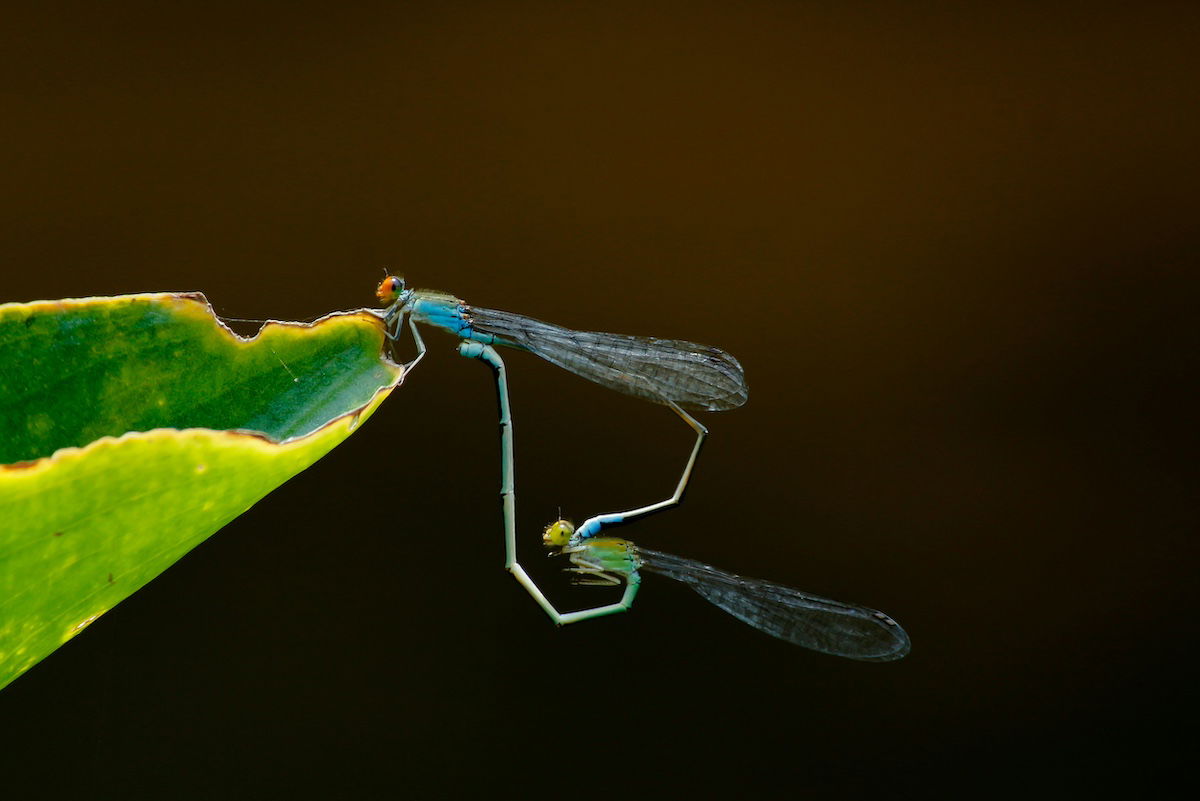
Climate change affects some types’ ability to thrive in their environments. A popular example is sea ice and polar bears. Less sea ice often indicates less food for polar bears, considering that they use the ice shelves to hunt for seals. A research study suggests another method climate change could impact species’ survival: their ability (or inability) to mate in severe weather.
“Getting it on” in the wild may seem like the most natural of things, but for some species, it will not be, if the environment moves too much.
“Species require special traits to mate in hot and demanding environments, and species without these mating traits are specifically vulnerable to climate modification,” stated University of Colorado Denver Integrative Biology Assistant Professor Michael Moore, who performed the study.
“Biologists have actually long comprehended that species can just begin utilizing brand-new habitats after they evolve novel traits that help them grow and endure there. What our study reveals is that where types exist now, and where they may be able to continue the future, is also figured out by whether or not they have traits that assist them mate in those new climates.”
It makes sense, right– where you can’t mate, you can’t thrive? Here’s a more detailed look at how the scientists came to their conclusions.
For Some Dragonflies, It’s All About the Sun block Wax
The study considers male dragonflies, some of which produce hydrophobic UV-reflective wax, which, as it ends up, is actually essential in dragonfly mating. “The wax avoids males from overheating and drying out when they try to draw in mates at sunlit ponds,” according to a University of Colorado short article checking out the research study.
The wax is an adaptation these animals have that enables them to mate in places where it fumes and steamy before the action even begins. However not all dragonfly species make their own hydrophobic sun block wax, and those are the types researchers state might be at risk if they can’t adjust.
“Climate modification does not seem to be affecting the species that possess this wax that enables males to mate in warmer and drier habitats,” Moore stated. “By contrast, the types that lack the wax are being driven to extinction by climate modification at an alarming rate.”
The results imply that the same issue might impact other species, if they do not have adaptations that assist them mate in certain conditions. For that reason, as climates alter, typically becoming more severe, it’s worth considering not just whether types can make it through in these severe conditions however likewise if they’ll can breeding in these severe conditions.
Here’s an unanticipated methods climate change may affect types’ survival: their ability (or failure) to mate in severe weather condition.