

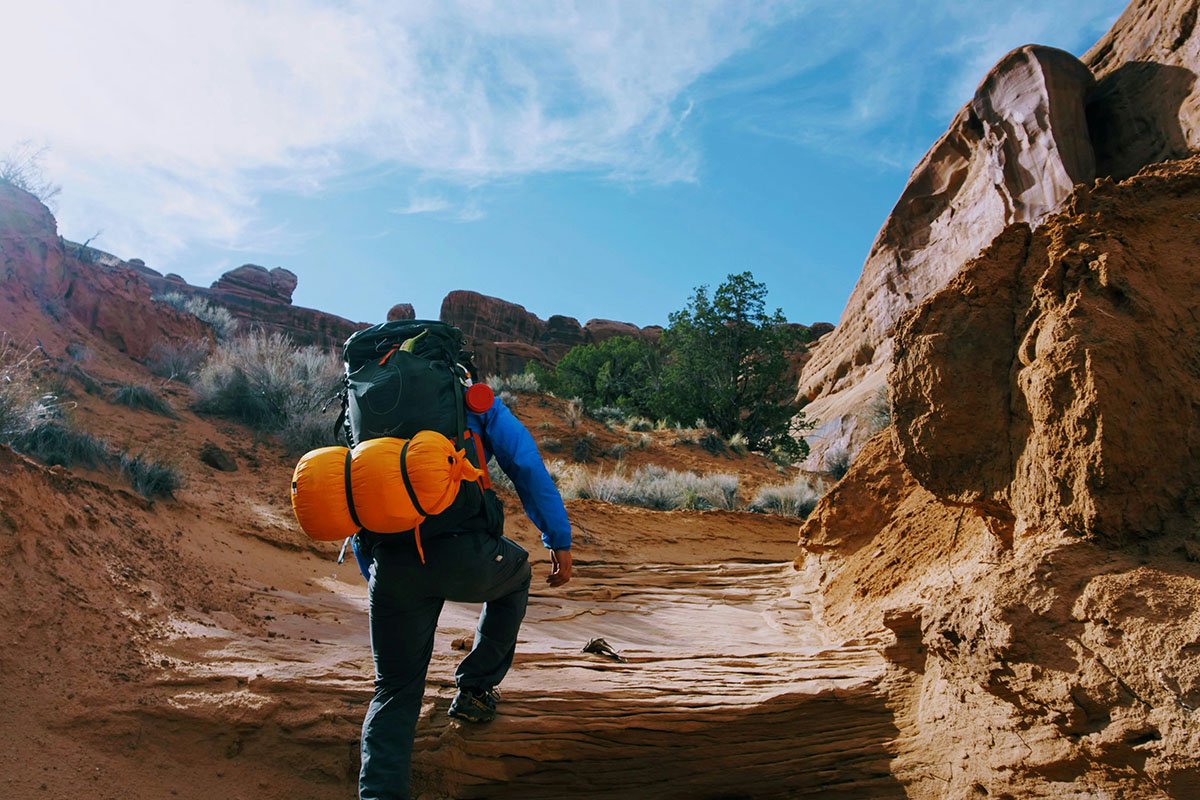
Backpackers always consider the weight of their pack before going out on an excursion. They may even spend numerous restless nights questioning how to make the load lighter, given that nobody wishes to be stuck carrying a heavy pack for miles and miles.
In this post, we ask if there is such a thing as ultralight backpacking, or is it just a marketing term utilized to help sell outdoor products? Is loading “ultralight” a great idea when you are going out on a major multi-day experience? Let’s dive in.
This post consists of affiliate links. Outdoors.commight make a commission when you make a purchase through these links. Thank you for your assistance.
What’s the Difference Between Lightweight and Ultralight Backpacking?
Light-weight and ultralight backpacking are both methods to outdoor adventuring that concentrate on decreasing the weight of gear in the pack. They can refer to the equipment itself or what goes inside your knapsack.
For many backpackers, the perfect base pack weight need to be a balance between the necessary equipment and some convenience items that will make your trip more enjoyable. Consumable items such as food, water, and fuel are typically left out from the base weight, because this can differ and change day by day.
You might try to select gear created for backpacking to attempt to minimize the pack weight. Picking lightweight backpacking tents, ultralight tents, sleeping bags, or knapsacks can help to lighten the load significantly.
Ultralight backpacking takes this concept a bit additional. Ultralight equipment can be more costly to purchase and, as an idea, it motivates backpackers to compromise a couple of convenience features on the mission to decrease weight. In order to get the weight down, you might require to cut out some essential products.
Weight Specifications
There is no main guideline on the weight specifications for lightweight or ultralight backpacking. In truth, some people think the expression “ultralight” is an appealing term utilized to sell items. As a basic rule of thumb, we can define the categories like this:
- Routine weight: base weight starting at 30 pounds (13.6 kg)
- Lightweight: base weight less than 20 pounds (9 kg)
- Ultralight: base weight less than 10 pounds (4.5 kg)
How to Keep Your Load Light
 Image by Andreas Wagner When you have actually selected your next backpacking path, you need to begin thinking about packing.
There are
a few ways you can adopt ultralight and light-weight packaging concepts. Backpack You will need to make a few modifications to decrease your pack’s weight into the lightweight backpacking or ultralight backpacking classifications.
The first thing to think of is the backpack itself. Watch out for knapsacks made from products like Dyneema, Cuben Fiber, or silnylon. These offer strength and support at a lower weight.
A minimalist style featuring less pockets and straps, a lightweight frame or frameless structure, and that holds a lower volume can make a knapsack feel much lighter to bring.
Sleeping Bag
Pick a sleep system that is created for backpacking. These types of bags are normally made from lighter weight materials for the shell and lining. Examine the brand standards to see how much the sleeping bag weighs when packed.
Camping tent
Your shelter is among the heaviest products you will require to carry, as it frequently consists of metal camping tent poles. Try to find an ultralight tent that will still supply shelter in the climate condition you are likely to deal with.
Ultralight camping tents will prioritize products and packability to ensure they are easy to carry for long periods of time. Some even utilize travelling poles instead of traditional camping tent poles.
Food and Water
Bring a lightweight water filtering or purification system, such as a portable filter or purification tablets, instead of bring big amounts of water. Strategy your path around water sources to lessen the quantity of water you need to carry at any provided time.
Usage cookware made from products like titanium that can have several uses, from drinking water to cooking on a range. Ultralight backpacking ranges, such as alcohol stoves or compact canister ranges, can be a lot easier to carry than much heavier options.
Clothes
A dedicated ultralight system will consist of numerous multi-tasking items. An ultralight backpacker will choose clothing that can serve a few different functions. Choose items that are suitable for layering in addition to comfortable for oversleeping.
Innovation
In today’s world, it’s natural to wish to bring some innovation with you to tape-record a few of the fantastic sights you see. Your DSLR, drone, and tripod, together with the devices and power banks required to charge them, are not precisely conducive to a lighter pack.
Nevertheless, if these things are necessary to you, merely accept that you will require to bring a couple of extra pounds along the way.
Winter season Backpacking
If you are setting out into cold temperature levels, you will require to load a couple of extra items, which can make light-weight backpacking a little difficult. Winter season outdoor camping equipment can include bulk, and fundamentals such as crampons, warm clothing, and trekking poles are additional considerations for your load.
Light and ultralight packs are not going to provide you with the support and convenience that you will need to make a winter season journey, and you will require more considerable gear to assist carry the load.
Don’t Forget to Take a Luxury Item
A luxury item may seem unnecessary when you’re trying to carry less weight, but we think it makes the backpacking experience method more enjoyable.
What makes a great high-end item? Playing cards, fairy lights to string up around your camping tent, a number of books, extra socks, lightweight outdoor camping chairs, a hammock, and more.
Do not become so consumed with just how much your bag weighs that you avoid over products that can create excellent memories. Edit your packaging list down to just the bare requirements, and after that toss a bit of fun back therein.
Stay on top of your list with our list of packaging essentials.
The Best Lightweight and Ultralight Equipment: Recommendations
Cost Factors to consider
It is clear that ultralight backpacking gear can be more pricey.
In spite of the higher upfront expenses, many backpackers value the benefits of minimized weight on the routes and validate the greater rate when the time pertains to upgrade their gear.
There are a few reasons why the expenses are higher. The screening, research study, and modern innovation that enters into production contribute to the last cost, as does the style, products, and producing process.
Toughness

Image by Kal Visuals Just because something is more expensive does not always mean it will last longer. One of the downsides to purchasing ultralight and light-weight equipment is that it might not be as long lasting as some of the sturdy alternatives that are developed to last for several years.
Eventually, it deserves looking into the construction and materials in pieces of equipment that are developed with weight savings in mind over toughness.
You might likewise find that ultralight equipment requires more fragile handling and maintenance to make sure longevity. Attempt to prevent straining knapsacks, always established your tent on a smooth surface to prevent abrasions, and store equipment appropriately when you’re not using it.
Final Ideas
If you want to load ultralight, it’s absolutely worth thinking about investing in some fancy ultralight equipment. There are some good quality items out there.
Our recommendations? Be selective about it. While having lighter equipment is fantastic on a backpacking journey, quality equipment that lasts a long time is better value for cash in the long run.
The most important thing to remember is your own joy and wellbeing while you’re exploring the wilderness. Take whatever you require and don’t sacrifice on too many comforts. Accept the adventure and don’t fret too much about having the latest ultralight equipment.
Lightweight vs. ultralight backpacking, which one is for you? Here’s the differences and similarities in between them.