

With a name like Bounty Trough, you might say this specific slice of the ocean off the coast of New Zealand is bound to hold some of world’s best-kept biological secrets. We’re uncertain scientists anticipated to discover 100+ potentially new marine types during a current research trip to the area, however.
Led by Ocean Census, The National Institute of Water and Atmospheric Research (NIWA), and the Museum of New Zealand Te Papa Tongarewa, the Ocean Census-Bounty Trough research cruise brought a team of researchers out to sea for 21 days to see what they might discover. The exploration wrapped about a month back. Ever since, researchers have actually been hard at work cataloguing their more than 1,800 samples.
 Image courtesy of Ocean Census So far, Ocean Census states they have actually found what seem over 100 new marine types from depths down to 4,800 meters(15,748 feet). Since figuring out whether a types really is brand-new to science requires time, researchers can only make educated guesses till they’re all set to publish their findings for the clinical neighborhood.
Amazing Finds
One of the more interesting finds is this octocoral, which might represent a completely new genus of corals.
 Image courtesy of Ocean Census In addition to the octocoral, brand-new species might also consist of”
  dozens of mollusks, 3 fish, a shrimp, [and] a
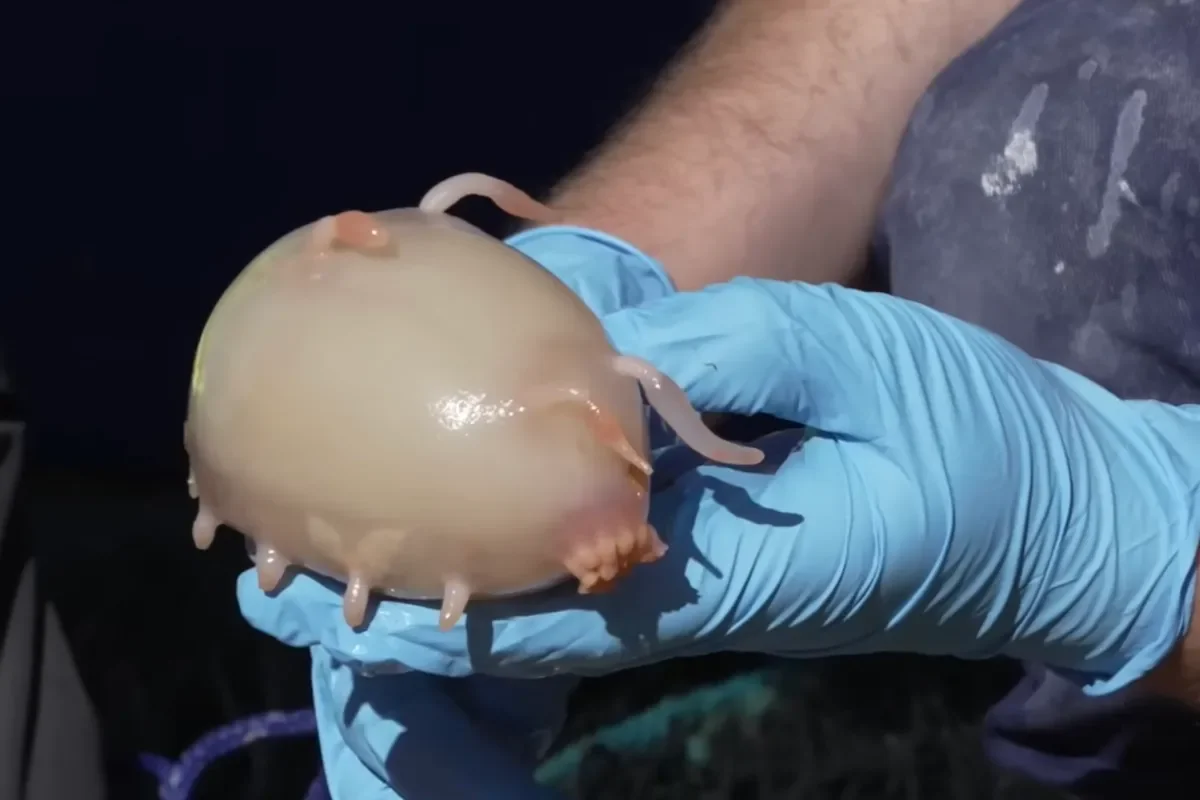
  cephalopod.” Image courtesy of Ocean Census Image courtesy of Ocean Census In addition to the 100 + possibly brand-new marine species the scientists found throughout the Ocean Census-Bounty Trough exploration, there are lots of unusual things we currently understand about. For instance, they pulled up sea cucumbers (including a sea pig), and what appears to be a blob sculpin.
  It’s uncertain whether these specimens represent brand-new types or known species, however they’re unusual and remarkable in any case. Image courtesy of Ocean Census A sea cucumber. Image thanks to Ocean Census A sea pig. Image thanks to Ocean Census Find out more about this interesting exploration here:
Researchers discovered more than 100 possibly new marine species during a current research study trip off the coast of New Zealand.