

Delighted solar eclipse day to those in The United States and Canada!(Specifically to those in the path of totality– a narrow band of places across the continent that will experience an overall solar eclipse.) Hundreds of countless Americans have actually taken a trip to see the 2024 total solar eclipse. Here’s why. We’ll also cover how, when, and where not to enjoy.
A total solar eclipse is when the moon passes between the earth and sun, blocking the sun and most of its light from view. Individuals in the course of totality will experience darkness of differing degrees for varying quantities of time– as much as four minutes in some locations. Everyone else (that is, everyone outside of the course of totality) will experience a partial solar eclipse, in which the moon partly obstructs the sun.
The U.S. will not remain in the path of totality once again till 2044.

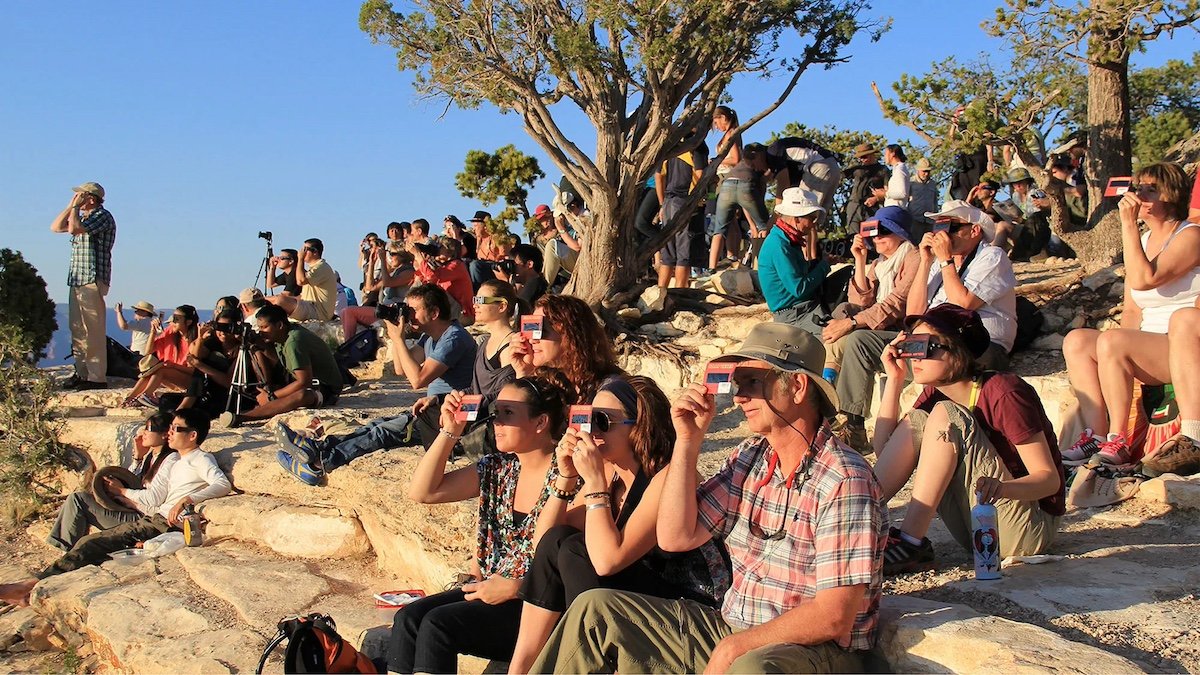
Image courtesy of NASA How to View Do not take a look at the sun without eye security, even if the moon is obstructing it partially or completely. Instead, utilize a safe solar viewer that adheres to the ISO 12312-2 international requirement.
If it’s far too late to protect a set of safe solar viewing glasses or other type of audience, you can attempt your hand at making your own indirect audience.
Weather condition can impact the quality of your watching experience. Examine your regional projection to know what to anticipate.
When to View
The best time to see the 2024 solar eclipse will depend upon where you remain in North America.
NASA has put together exact times for total solar eclipse watching in the path of totality. If you’re outside the course of totality, you can use NASA’s tool to enter your postal code to see what time you should go outside to see the partial solar eclipse.
Keep in mind, depending on where you are, the sky might not become noticeably darker to suggest it’s time to put your glasses on and enjoy the eclipse. Trust NASA’s tool and watch on the sky during your window of time (utilizing a safe viewer, naturally).
Where NOT to Watch
It you’re not already in the course of totality, then it’s best to stay home (or, a minimum of, remain regional) to view your version of the solar eclipse rather of attempting to take a trip elsewhere.
According to the National Forest Service (NPS), 27 NPS park units are in the course of totality, consisting of Cuyahoga Valley National forest. Cuyahoga Valley really issued a statement requesting that residents don’t enter the park to view the eclipse, since they expect it being swamped.
Several areas in the path of totality have preemptively stated a state of emergency to free funds that will assist them deal with the influx of visitors to the location. So, at this moment, it’s finest to remain where you are to see the eclipse.
And if all else stops working, you can constantly enjoy it live online.
Pleased solar eclipse day, North America! (Particularly to those in the course of totality.) Here’s whatever you need to understand.