


Outdoor camping is one of the best chances to get outside and enjoy the gorgeous outdoors. Nevertheless, your picture-perfect outdoor camping trip can quickly go awry if you’re not cautious and ready! In order to enjoy your camping journey to the fullest, you require to guarantee that everyone on the trip is safe.
When it comes to outdoor camping, security ought to constantly be your # 1 priority! (Although having fun is a close second). An outdoor camping accident can quickly turn a terrific journey into a camping nightmare.
For this article, we have actually laid out 10 outdoor camping security ideas to help you remain safe this camping season. Keep these ideas in mind when preparing your next outdoor camping journey and you’re sure to create memories you’ll wish to remember permanently, rather than memories you ‘d prefer to forget!
General Camping Security Tips
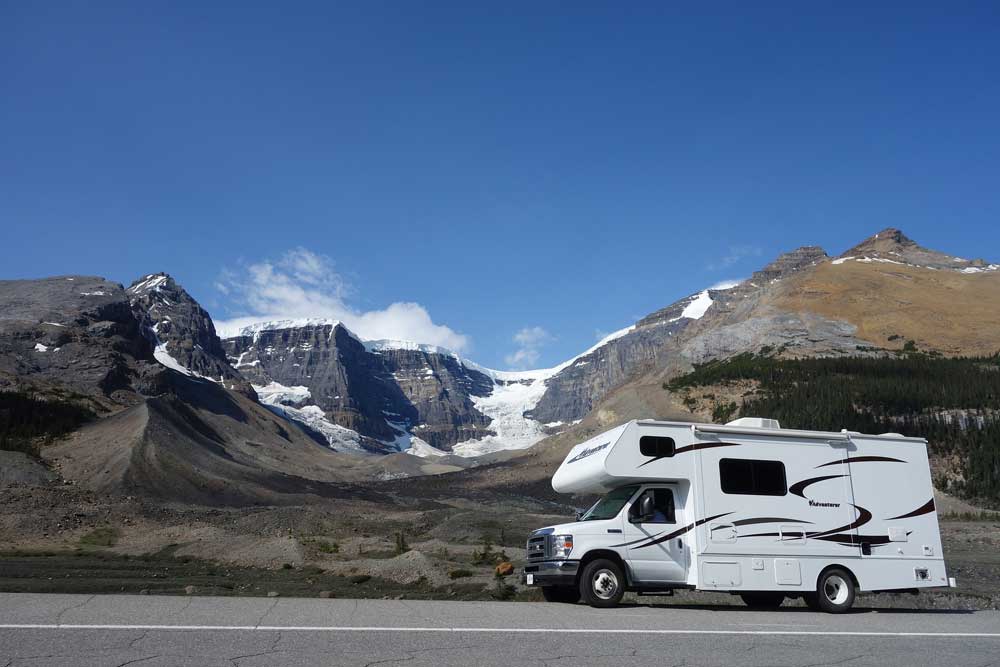
The following sections cover some general camping security tips based on the best threats that you might come across while camping.
1. Choose the Right Outdoor Camping Shelter
Depending upon the age, physical constraints and medical needs of everyone participating in your outdoor camping trip, tenting might not be the very best alternative. Although many enjoy the experience of camping in a tent, tenting is likewise understood for its absence of convenience, exposure to the elements, and lack of bathroom or water supply. For many individuals, this makes tenting out of the question.
Compared to tenting, recreational vehicle outdoor camping is known to be a much safer alternative. Recreational vehicles allow security from bad weather condition and cold temperature levels. They also offer you easy access to clean drinking water, lots of storage for your food and other necessities, and a comfortable bed to sleep in at the end of the night.
Make certain to think about the needs of everyone in your group to decide if you can brave the tenting experience or if you ‘d all be much better and much safer in a recreational vehicle.
If you’re trying to find a brand-new RV, the recreational vehicle experts at Bucars RV are constantly here to help. Contact us today!
2. Practice Campfire Security
When it pertains to outdoor camping, many individuals consider campfires to be a staple of the camping experience. How else would you roast the most completely browned marshmallow for your delicious late-night smores? However, campfires are likewise among the most hazardous elements of outdoor camping and present the greatest security risks to your group and others if you don’t practice campfire security!
Here is a list to help you guarantee that your campfire is safe for you and those around you:
- There are no overhanging tree branches above your campfire pit
- The campfire is surrounded by a metal ring or rocks
- The campfire is at least 15 feet away from any shrubs, trees, or tent walls
- There is a container of water close-by to put the fire out
- There is always somebody close-by attending to the campfire
- When you are finished, all cinders are put out (not just the red ashes)
3. Be careful of Wildlife
Lions and tigers and bears, oh my! Okay– possibly not lions and tigers, but bears can be a genuine hazard when you’re camping in the mountains. Wildlife such as bears, cougars, and coyotes often call our favourite camping locations their homes.
There are a few things you can do to safeguard yourself from experiencing harmful wildlife on your next camping trip:
- Store your food AND toiletries in your recreational vehicle, your car, a bear-safe container, or a food locker to prevent attracting wildlife to your camping area.
- Don’t leave any filthy meals, trash, or dishwater unattended at your camping area.
- Don’t leave your pet dogs ignored or off-leash outside.
- Preserve as much distance as possible from any wild animals you might come across.
- Make some noise or clap while you’re strolling to reveal your existence to any wildlife in the area.
In addition to keeping yourself safe, preserving your distance from wildlife is also important for keeping the wildlife safe! Even if wildlife does not appear threatening it is essential to keep away so that they can likewise maintain security in their own home.
If you do take place to come in contact with wildlife, it’s important for you to provide your hands a great scrub with soap and water to prevent contracting any diseases.
4. Check the Weather Condition and Pack Accordingly
The last thing you want is to head out on your camping trip unprepared for the weather just to be faced with unanticipated rain, snow, and even extreme heat and humidity. In Canada, climate condition can be very unpredictable and can alter on a penny. Be sure to check the weather forecast for the whole length of your trip before you hit the roadway.
Not only is extreme weather condition undesirable, but it can also be dangerous if you’re unprepared and captured in the incorrect location at the wrong time.
In addition to examining the weather, it’s constantly a wise concept to load some extra supplies simply in case the weatherman is incorrect. For instance, if you’re gone out outdoor camping in the Spring, it’s still smart to prepare for winter season camping conditions. Our current post on winter camping pointers will likely still can be found in handy for your spring outdoor camping journey.
Outdoor Camping Safety Add-on
These pointers include the needed items that you need to pack to stay safe on your next outdoor camping journey.
5. Bring an Outdoor Camping Emergency Treatment Package
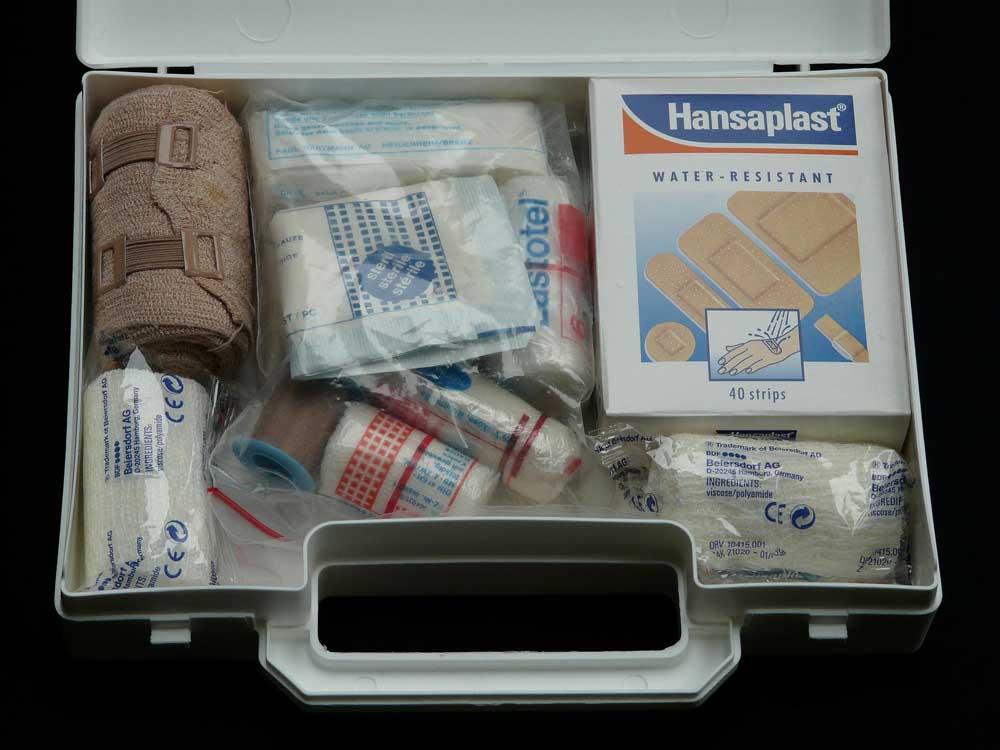
When it concerns getting ready for your outdoor camping journey, packing a camping emergency treatment package must be at the top of your list!
Numerous camping areas remain in remote areas making it tough to get to a doctor quickly ought to a mishap take place. A fully stocked emergency treatment set ought to help you handle minor medical events by yourself or a minimum of hold you off until you can see a physician.
Here are some important items you should include in your outdoor camping emergency treatment package:
- Assorted adhesive bandages
- Numerous sizes of gauze pads
- Antibacterial wipes
- Anti-bacterial lotion
- Adhesive wound disclosure strips
- Non-stick sterile pads
- Cotton bud
- Medical adhesive tape
- Aspirin or ibuprofen
- Insect sting/ anti-itch treatment
- Snakebite kit
- Fine point tweezers
- Eye drops
- Small scissors
- Blister treatment
- Safety pins
6. Don’t Forget Your Sunscreen and Insect Repellent
Warm weather condition and pesky bugs are generally aplenty in the warm weather condition camping seasons. If you’re going out on a camping experience, make certain you’re prepared with multiple bottles of both sunscreen and insect repellent!
Safeguard Yourself from Bug Bites with Bug Spray
When most people think of outdoor camping they think about the constant battle between themselves and non-stop hungry mosquitos. Nevertheless, there are a number of pests that you require to watch out for on your outdoor camping trips that can be far more harmful than the bothersome, itchy bites left by mosquitos.
For instance, ticks are an important concern since they can result in Lyme Illness. Look for ticks every day, even in areas where you wouldn’t believe to look! Rapidly eliminating ticks from your body will minimize your danger of severe health issue.
In addition to using insect repellent frequently, you ought to also wear long clothing and keep your skin covered to attempt and keep bug bites at bay.
Secure Yourself From Sunburns with Sun block
While it might feel nice to lounge in the sun on a warm day, sunburns and sun damage can not just destroy your journey but likewise lead to additional health problems down the line.
To avoid suffering from an intense red burn, it is very important to keep your skin protected. Even if the sun isn’t out, you can still experience sun damage whenever you hang around outside. The sun’s UV rays are more than efficient in permeating through the clouds and providing you a surprise burn on a gloomy day.
Here are a couple of methods you can stay protected from the sun’s wrath on your next outdoor camping journey:
- Place on sun block 30 minutes before you go outside and make sure to reapply typically throughout the day.
- Use a hat and long clothing to keep your skin covered.
- Stick to relaxing in the shade rather than in direct sunshine.
7. Examine the Service Life of Your Fire Extinguisher
Did you understand fire extinguishers don’t last forever? Although your RV may have included a fire extinguisher it is essential to inspect whether your fire extinguisher is still reliable once you have actually owned it for a few years.
After a few years, the chemicals in fire extinguishers lose their charge and the pressure will fall over time. That implies that there’s a possibility your old fire extinguisher could be inadequate when you need it most.
The exact service life of fire extinguishers differs depending on the manufacturer. It is essential to check that your fire extinguisher is not expired before you head out on your next journey. While you’re at it, make certain to also check for any damage that might likewise make your fire extinguisher ineffective.
Camping Safety Throughout COVID-19
The good aspect of outdoor camping (and RVing, specifically) is that it is among the best activities during the COVID-19 pandemic. For instance, one of our high-risk employee at Bucars recreational vehicle decided to take a recreational vehicle trip right in the middle of the pandemic. Take a look at our recent blog post to find out why RVing throughout the pandemic is the ideal journey for a high-risk person.
However, there are still a couple of things you can do to reduce your COVID-19 risks on your next outdoor camping journey. We’ll discuss these in the next areas.
8. Ensure You’re Well-Stocked on Cleaning Products & Disinfectants
Just like when you’re at home, cleaning and disinfecting are still a COVID-19 must even when you’re out camping. Make certain to pack great deals of hand sanitizers, cleaning items, and disinfectants to keep your family safe on your next camping trip. In addition, you should pack several masks for each person in case you want to venture into any close-by towns or if masks are required at any point in your trip.
9. Practice Physical Distancing
Although lots of camping areas are reserved, there are some campgrounds where you can drop-in and choose your own websites. In these scenarios, it is necessary to be mindful of other campers and select a campground with a lot of range between your group and others. It’s also important to appreciate any COVID guidelines and only camp with members of your own home when these rules are in impact.
10. Be Respectful of Campground Rules
In addition to government COVID policies, camping sites might have their own guidelines to keep campers safe. It’s important to follow these rules both for the safety of yourself and others in the camping area throughout the pandemic. These guidelines might include wearing a mask in public locations, so do not forget to bring your masks simply in case!